
In many African homes, the kitchen comes alive when a pot of soup or stew begins to simmer. The aroma of spices fills the air, peppers are being blended, and ingredients are carefully added one after the other. Soon, the rich scent of palm oil, herbs, and vegetables spreads through the house, drawing everyone toward the kitchen.
For many Africans living abroad, these moments bring back memories of home—family meals, weekend cooking, and the comforting taste of traditional dishes.
African cuisine is deeply rooted in soups, stews, and richly flavored sauces. Whether it’s a hearty bowl of egusi soup, a flavorful vegetable stew, or a spicy pepper soup, the secret always lies in the ingredients used.
The good news is that making authentic African meals doesn’t require dozens of complicated ingredients. Instead, many dishes rely on a set of essential African cooking ingredients that form the foundation of countless recipes.
If you enjoy preparing African meals or want to explore African cooking at home, these 15 essential African ingredients are the building blocks every kitchen should have.
And if you’re looking for a reliable place to find authentic ingredients in the UK, many of these staples are available from The Mavola Group, where you can conveniently shop for African groceries online.
What ingredients are used in African cooking?
African cooking commonly uses ingredients like palm oil, crayfish, egusi seeds, stockfish, Scotch bonnet peppers, tomatoes, leafy vegetables, and spices such as curry powder and thyme. These ingredients create the rich flavors found in traditional African soups, stews, and sauces.
1. Palm Oil

Palm oil is one of the most iconic and widely used ingredients in West African cooking. Recognizable by its deep reddish-orange color, this traditional oil has a rich, earthy flavor that plays a major role in many African dishes. For generations, palm oil has been a staple in African kitchens because of the unique taste and depth it adds to food.
Beyond its vibrant color, palm oil helps build the foundation of many soups and stews by blending and enhancing the flavors of other ingredients. When heated, it releases a distinctive aroma that instantly signals that an authentic African meal is being prepared.
Palm oil is commonly used in popular dishes such as egusi soup, ogbono soup, and vegetable-based stews. Its richness allows spices, meats, and vegetables to cook together beautifully, creating the bold flavors that African cuisine is known for. Because of its versatility and cultural importance, palm oil remains one of the most essential ingredients in African cooking.
2. Ground Crayfish
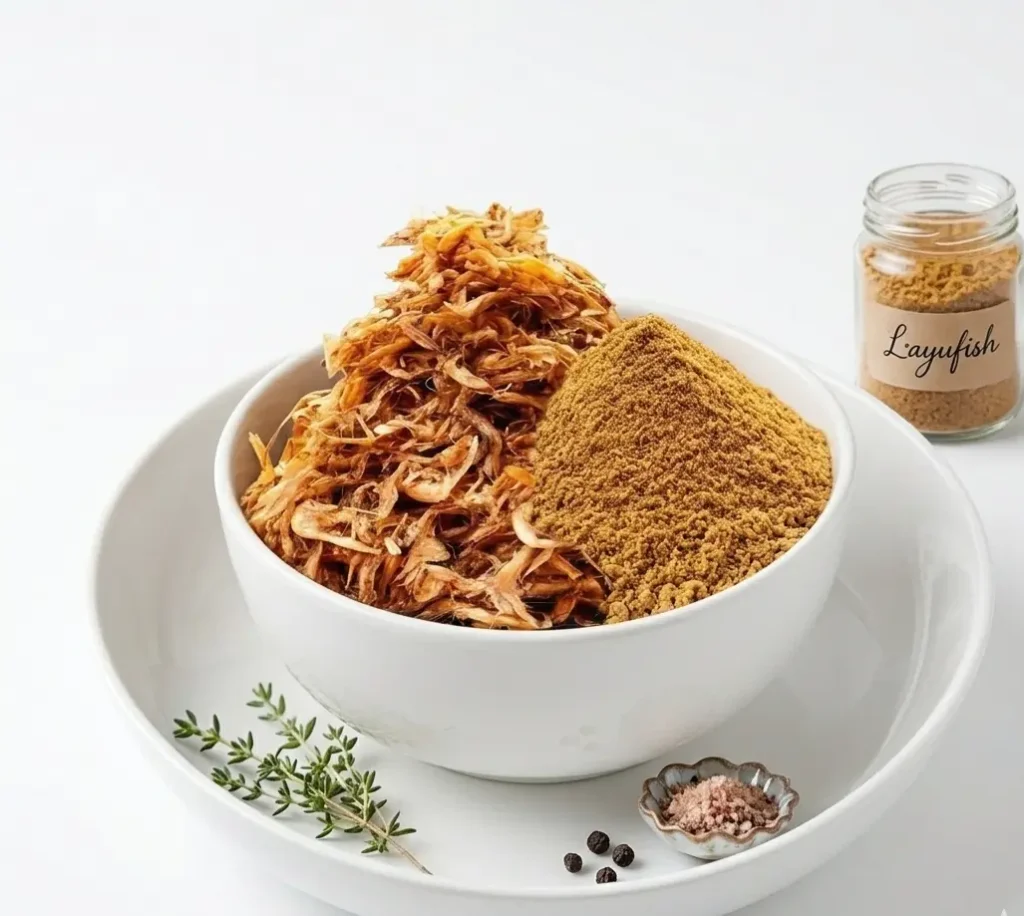
Ground crayfish is often considered one of the secret ingredients that give many African soups their signature taste. Though it may be used in small quantities, it contributes a deep, savory flavor that enhances the overall richness of a dish.
Crayfish is typically dried and then blended into a fine powder before being added to soups, sauces, or stews. This powder dissolves easily during cooking, releasing a distinctive seafood flavor that complements other ingredients without overpowering them.
One of the reasons crayfish is so valued in African cooking is how well it works with other traditional ingredients like palm oil, peppers, vegetables, and meats. Together, these elements create the layered and complex flavors that make African soups so satisfying.
For many home cooks, ground crayfish is an essential seasoning that helps transform a simple soup into a deeply flavorful meal.
3. Egusi (Melon Seeds)
Egusi, made from ground melon seeds, is a highly valued ingredient in many West African kitchens. These seeds are usually dried and blended into a fine powder before being used to prepare rich and hearty soups.
When added to soups, egusi acts as a natural thickener, giving the dish a creamy texture and a slightly nutty flavor. This unique combination of taste and texture makes egusi-based dishes both comforting and satisfying.
Beyond its flavor, egusi is also known for its nutritional benefits. It contains healthy fats, protein, and important nutrients that make it both delicious and nourishing.
Because of its versatility, egusi is used in a variety of dishes and is considered a must-have pantry ingredient in many African homes. Whether paired with vegetables, meats, or fish, egusi helps create some of the most beloved traditional soups.
4. Stockfish (Dried Cod)
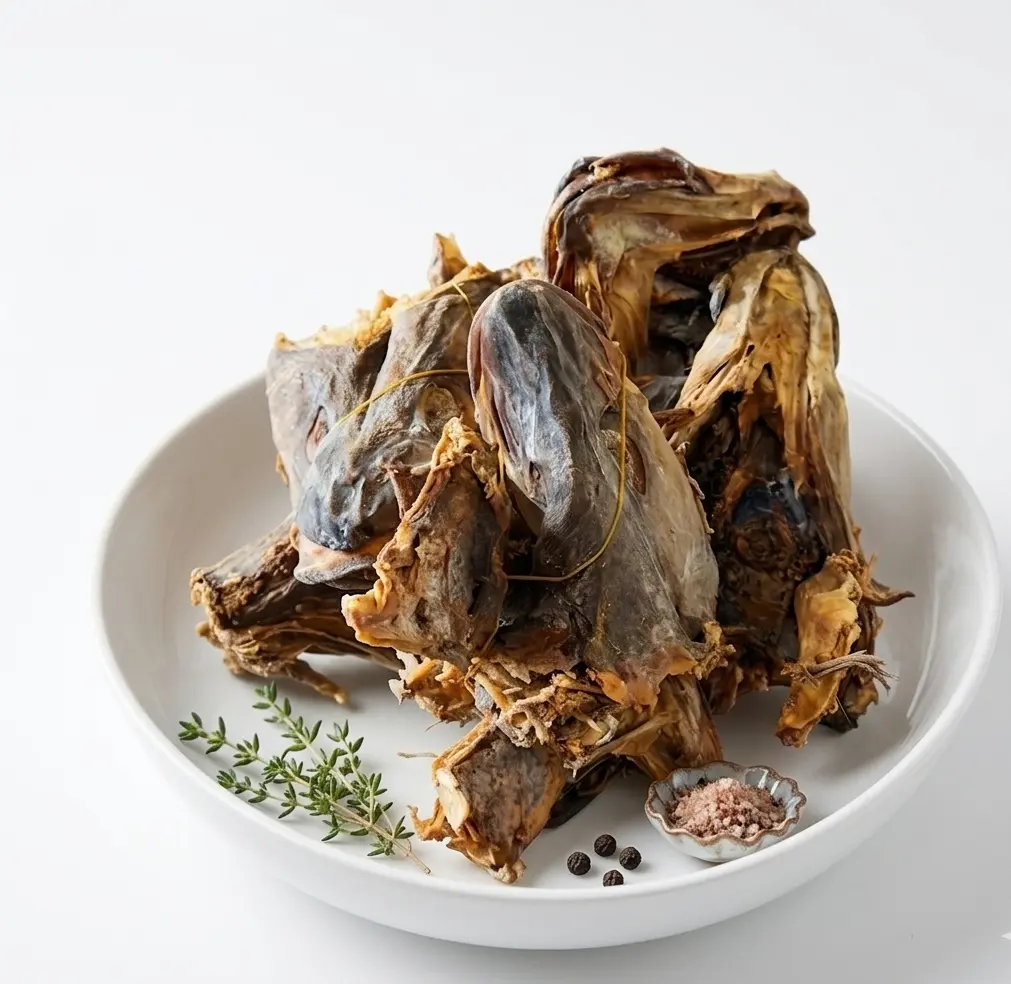
Stockfish is another traditional ingredient that plays an important role in many African soups and stews. Made from air-dried fish, usually cod, stockfish has a strong, distinctive flavor that adds depth and character to dishes.
Before cooking, stockfish is typically soaked in water to soften its texture. Once it is added to the pot, it slowly absorbs the flavors of the soup while releasing its own rich taste into the broth.
The slightly firm texture of stockfish also adds variety to soups, making each bite more interesting and satisfying. Its ability to enhance the flavor of other ingredients makes it a favorite addition to many traditional African recipes.
For many African households, cooking certain soups without stockfish would feel incomplete, as it contributes a unique flavor that is difficult to replace with other ingredients.
5. Scotch Bonnet Pepper
If you’ve ever tasted African food, then you already know one thing—it doesn’t shy away from flavor. And when it comes to heat, Scotch bonnet pepper is often the star of the show.
These small, bright peppers may look harmless, but they carry a powerful punch. Just one or two can completely transform a pot of soup or stew. Beyond the heat, Scotch bonnet peppers also bring a subtle fruity flavor that adds depth to many African dishes.
In most kitchens, they are blended together with tomatoes, onions, and other spices to create the base for soups, stews, and sauces. This mixture is what gives many African meals their bold and exciting taste.
So if you enjoy dishes with a bit of heat and character, Scotch bonnet pepper is definitely an ingredient you’ll want in your kitchen.
6. Goat Meat
Goat meat is another ingredient that holds a special place in many African kitchens. If you’ve never cooked with it before, you might be surprised at how flavorful it is.
Unlike some meats, goat meat has a rich, slightly gamey taste that works beautifully with strong spices and seasonings. This makes it perfect for slow-cooked soups and stews where the flavors have time to develop.
As the meat cooks, it becomes tender while releasing its natural flavor into the broth. This is what gives many traditional dishes their deep, comforting taste.
Because of this, goat meat is often used in hearty meals where the goal is to create a dish that feels both satisfying and full of flavor.
7. Tomatoes and Tomato Paste
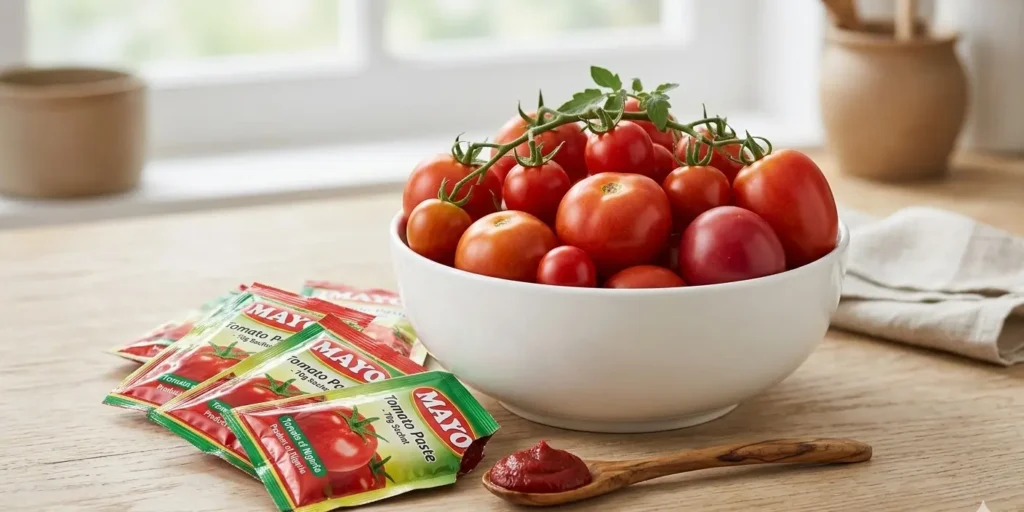
If you step into almost any African kitchen, you’ll likely find tomatoes playing a major role in the cooking process.
Tomatoes are often the starting point for many stews and sauces. When blended with onions and peppers, they create a rich base that forms the heart of many dishes.
Tomato paste is especially useful because it adds extra depth and richness to the sauce. It also helps give stews their vibrant color and thicker texture.
Together, fresh tomatoes and tomato paste help build the bold flavors that African cooking is known for. They are commonly used when preparing stews, rice dishes, and sauces that are served with staples like yam, rice, or plantain.
In many ways, tomatoes help bring all the other ingredients together into one flavorful dish.
8. Leafy Green Vegetables
Leafy vegetables are essential in many African soups because they provide both flavor and nutrition.
Different regions use different vegetables depending on availability, but some commonly used greens include pumpkin leaves, bitter leaf, and waterleaf.
These vegetables bring freshness, texture, and balance to rich soups that contain ingredients like palm oil and meats.
9. Ogbono Seeds
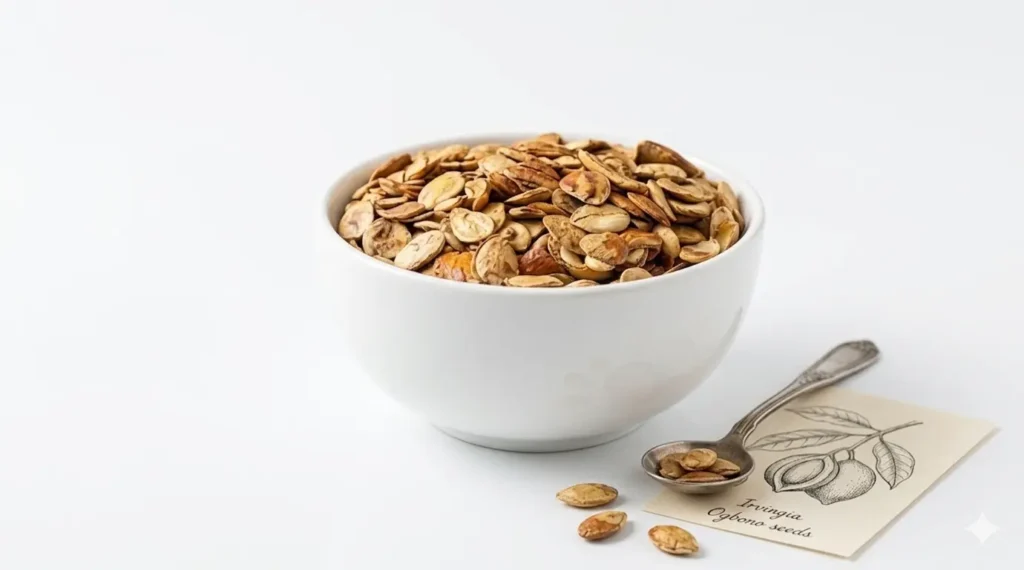
Ogbono seeds, also known as wild mango seeds, are famous for creating the thick, smooth texture found in certain traditional soups.
When ground and added to soup, ogbono acts as a natural thickener while adding a subtle nutty flavor.
The unique texture it creates is loved in many African homes and is often paired with staple foods such as fufu or eba.
10. Vegetable Oil
Although palm oil is widely used in African cooking, vegetable oil is also a common alternative in certain dishes.
Vegetable oil is lighter and often used for frying meats, sautéing vegetables, or preparing lighter stews and sauces.
Many cooks use it when preparing dishes where palm oil’s strong flavor might overpower other ingredients.
11. Curry Powder
Curry powder has become a widely used spice in African kitchens over the years. Its blend of spices adds warmth, depth, and complexity to many dishes.
It is especially popular in stews and rice dishes where a balanced mix of spices enhances the overall flavor.
Curry powder pairs well with ingredients like onions, garlic, and tomatoes.
12. Thyme
Thyme is another essential herb used in African cooking. It contributes an earthy, slightly minty flavor that enhances soups and stews.
Often used alongside curry powder and seasoning cubes, thyme helps create the fragrant aroma that many African dishes are known for.
13. Seasoning Cubes
Seasoning cubes are widely used in African kitchens to enhance flavor quickly and conveniently.
They contain a blend of spices and flavor enhancers that help bring depth to soups, stews, and sauces.
Many home cooks rely on them to ensure their meals are well seasoned and balanced.
14. Locust Beans (Iru or Ogiri)
Locust beans are fermented seeds commonly used in traditional African cooking. Known as Iru in Yoruba and Ogiri in Igbo, they have a strong aroma and deep umami flavor.
Although their smell can be quite strong, they add incredible richness to soups and stews.
Locust beans are especially valued for the depth of flavor they bring to many traditional dishes.
15. Ground Pepper
Ground pepper, often made from dried chili peppers, is another important seasoning used in African cooking.
It provides heat and enhances the flavor of soups and sauces. When combined with other ingredients like crayfish and palm oil, ground pepper contributes to the bold taste African cuisine is known for.
Where to Buy Authentic African Ingredients in the UK
Many people living outside Africa often ask:
“Where can I buy authentic African groceries in the UK?”
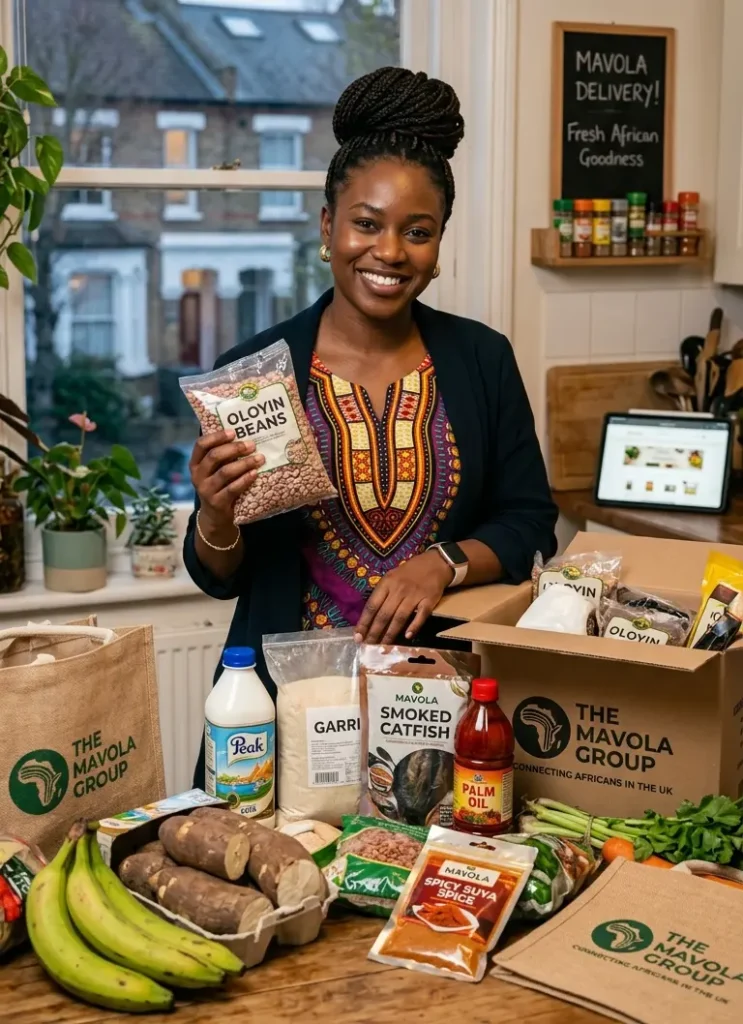
With the growth of the African diaspora, it has become easier to find online stores that specialize in African ingredients.
Online African grocery stores make it possible to shop for traditional cooking ingredients from the comfort of your home.
If you’re looking to stock your kitchen with essential African ingredients, you can explore a variety of products available at The Mavola Group, where many of these pantry staples can be found.
Final Thoughts
African cooking is built on rich flavors, natural ingredients, and time-honored traditions. While each region has its own unique dishes, many recipes share the same foundational ingredients.
By keeping these essential African cooking ingredients in your kitchen, you can easily prepare a wide range of traditional soups, stews, and flavorful meals.
Whether you are reconnecting with familiar tastes from home or discovering African cuisine for the first time, having access to authentic ingredients makes all the difference.
And with trusted online African grocery stores like The Mavola Group, finding the ingredients you need has never been easier.